
Blog

How To Mix Patterns And Colours In Bedding

Fab balancing colour and pattern bedding

Create a Calm, Characterful Bedroom Sanctuary

Pattern and colour in the bedroom are not just about looks; they change how a space feels and how well we relax. The right mix can make a room feel calm, cosy and pulled together, even if the rest of the house is a bit busy. A well-balanced bed often becomes the main focal point in the room, which is very handy in typical UK homes where space can be tight.

Many people worry about getting it wrong. Prints that clash, colours that feel too loud, bedding that looks dated after a short time, it can all feel a bit risky. At Fab Furnishings, we spend a lot of time helping people balance character and calm, so we like to keep things simple and friendly rather than chasing short-lived trends.

Here we share easy ideas for using designer bedding in the UK, with tips that work in smaller bedrooms, north-facing rooms and for our changeable seasons. You will pick up some simple rules for mixing patterns and colours, plus some brand examples you can explore when you feel ready for a refresh.

Start with Your Bedroom’s Natural Palette

Before choosing new bedding, it helps to look at what is already in the room. Your walls, flooring, wardrobe and bedside tables, even curtains or blinds, all set a base palette. These are the fixed elements that are harder to change, so bedding works best when it feels at home beside them.

Think about a base bedding colour that supports what you already have:

  • Soft neutrals like ivory, stone or light grey for maximum flexibility
  • Deeper tones like navy or forest green for a snug, cocooning feel
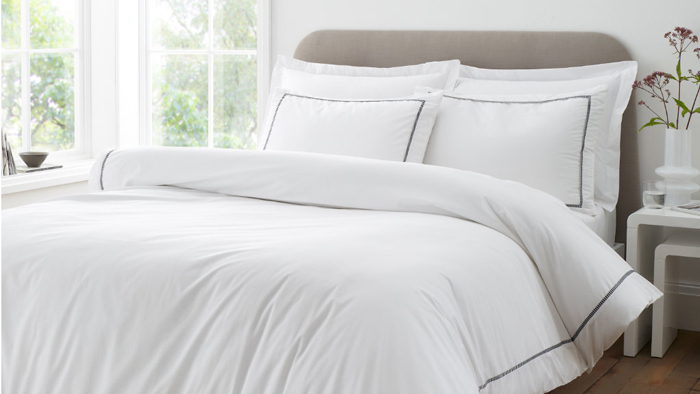
  • Clean white if you like freshness, paired with texture so it avoids looking clinical

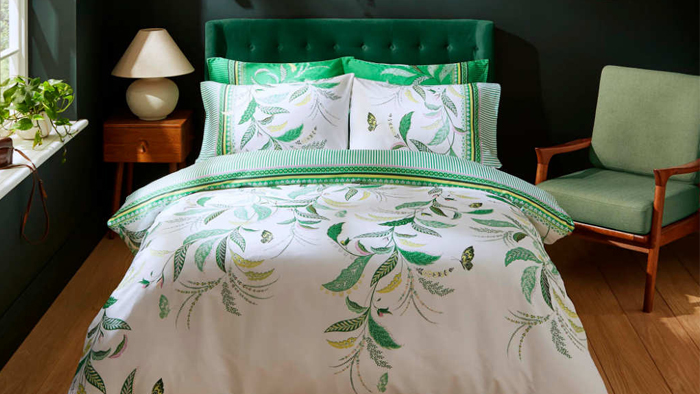
UK light levels matter too. In north-facing rooms or rooms that feel a bit gloomy, warmer and lighter bedding can lift the space, think warm whites, creams, blush, soft golds. In sunny, south-facing rooms, fresh tones like crisp white, light blue or cool green can balance the brightness and keep things restful.

A simple way to plan your colours is the 60/30/10 rule:

  • 60% main colour, often your duvet cover or main bedspread
  • 30% supporting colour, perhaps pillowcases and a throw
  • 10% accent colour, used on cushions or a small decorative pillow

For example, your main colour might be a soft grey duvet set, your supporting colour a muted blush throw and pillowcases, and your accent colour a touch of deeper berry on two cushions.

Easy Rules for Mixing Patterns with Confidence

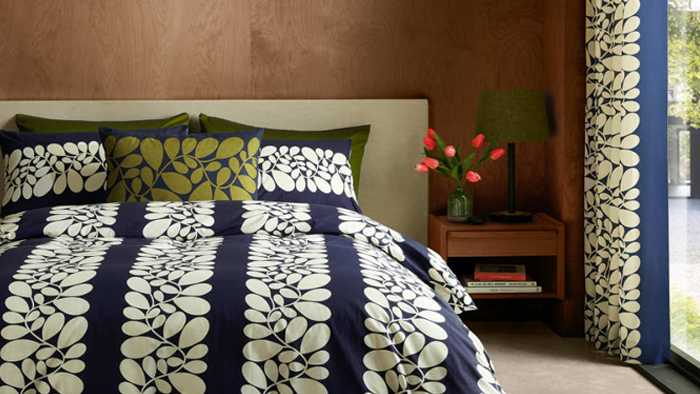
Pattern feels scary until you give it a few boundaries. One of the easiest tricks is to think about pattern scale. Choose one large-scale hero print, then mix it with smaller or simpler patterns so the bed does not feel too busy.

Some examples of great hero prints are:

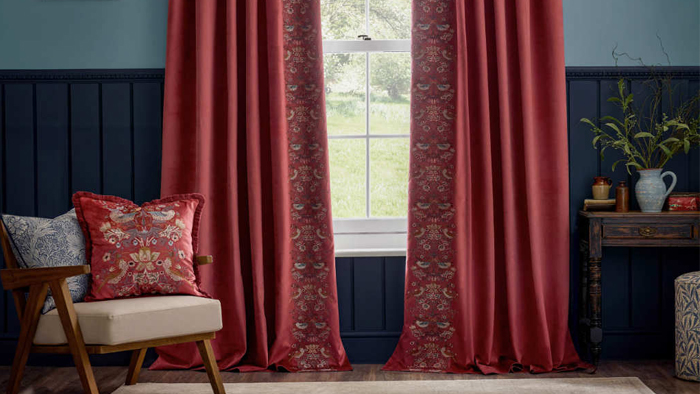
  • Flowing botanicals from Morris & Co
  • Bold, retro-style motifs from Orla Kiely
  • Statement scenes or birds from Sara Miller

Pair these with smaller stripes, tiny geometrics or soft ditsy florals so the eye has places to rest. Try to stay within a family of colours. If your hero print uses teal, soft green and cream, keep the other patterns in that same area so the whole bed feels calm rather than chaotic.

If you feel unsure about mixing lots of prints, texture is your friend. Quilted throws, knitted blankets, fringed or embroidered cushions add interest without adding more pattern. Texture acts like a quiet pattern and can stop a bed from looking flat.

A few practical layering ideas that work well for sleep:

  • Keep bold patterns on the duvet cover or top cushions
  • Use calmer plains or very small prints on the bottom sheet and standard pillowcases
  • Add pattern again at the foot of the bed with a runner or folded throw

This way, when you lie down, the area around your face feels soothing, while the overall bed still has character.

Seasonal Switch-Ups for Designer Bedding in the UK

Our weather does not always match the season, so bedding needs to be flexible. Late summer into autumn is a lovely time to start deepening colours and adding texture without changing everything at once. You might keep a fresh cotton duvet set, then add:

  • A heavier knitted or quilted throw in a richer tone
  • Deeper cushion colours like rust, plum or olive
  • A second pair of pillowcases in a warmer shade

For the move from summer to winter, breathable cotton is still a good base for designer bedding in the UK, as it copes well with temperature changes. Then you can layer:

  • Light quilts you can add or remove
  • Brushed cotton sheets for extra cosiness on cold nights
  • Velvet or faux fur cushions for touchable warmth

Rotating accent colours through the year keeps things interesting. In spring and summer, many people enjoy soft pastels, coastal blues or fresh greens. Brands like Scion Living, Sophie Allport or Wrendale Designs often have gentle animal or nature themes that feel seasonal without being too strong. In autumn and winter, rusts, forest greens and jewel tones like teal or berry feel comforting.

When you switch bedding for the season, good storage keeps patterns looking crisp. Let sets air fully before storing, fold them loosely, and keep them in a cool, dry place away from direct sunlight so colours stay fresh.

Bringing Personality Into Family and Guest Bedrooms

Family bedrooms often need to work hard. In children’s rooms, bright colour and fun prints are lovely, but it is easy to go overboard. One simple approach is:

  • Let the duvet cover be the playful star
  • Keep sheets and pillowcases simpler and mostly plain
  • Add one plain throw to ground the bed

If children are choosing, ask them to pick one fun element that feels special, maybe a patterned pillowcase or pillow, then tie the rest of the bed back to the wall colour so the room still feels calm enough for sleep.

Guest rooms do not need to be bland to feel like a hotel. One distinctive designer pattern, such as a Portmeirion floral or a gentle Sara Miller print, can sit with neutral sheets and a plain throw for a welcoming look with personality.

In small UK bedrooms or rentals where you cannot change walls or carpets, bedding becomes your main design tool. Choose one or two colours you love and repeat them in:

  • The duvet set
  • Cushions and throws
  • Lampshades or a simple rug

If you are on a budget, a full new bedding set is not always needed. Swapping just pillowcases, cushion covers or adding a new throw can give existing designer bedding a fresh feel.

Pull Your Look Together with Thoughtful Finishing Touches

A simple formula helps when you feel stuck: one hero pattern, one quieter supporting print or texture, and two or three repeating colours across your duvet, pillows and throws. Start with your favourite design, maybe from Orla Kiely, Morris & Co or Sara Miller, then build around it with matching plains and textures rather than buying lots at once.

At Fab Furnishings, we see bedding as a bit like a wardrobe for your home. Pieces can move between rooms, work in different seasons and change as family life changes. There are no strict rules, only what helps you feel relaxed when you walk into the room and when you switch off the light. With a few simple colour and pattern ideas, designer bedding in the UK can be both calm and full of character, helping every bedroom feel that little bit more special.

Transform Your Bedroom With Thoughtfully Chosen Designer Bedding

Discover how Fab Furnishings can help you create a bedroom that feels luxurious, coordinated and truly personal with our carefully curated range of designer bedding in the UK. Whether you prefer classic elegance or bold contemporary looks, we make it simple to find pieces that suit your style and budget. If you would like guidance or have any questions about colours, sizes or styling, just contact us and we will be happy to help you choose the right options for your home.

Refresh Your Home With Stylish Designer Cushions

Designer Cushions

Bring Fresh Energy to Every Room with Cushions

Refreshing a room does not have to mean new paint, new furniture or a big project. A few well-chosen designer cushions can change how a space feels in an afternoon. Late summer is a lovely moment for this, when the light is still bright but we are already thinking about cooler evenings and cosier corners.

Cushions can shift the mood, soften hard lines and bring colour into rooms that feel a bit flat. They work everywhere, from the bedroom and living room to a hallway bench or home office chair. As a friendly, family-run homeware retailer here in the UK, we love sharing simple ideas that work in real homes, so this guide is all about easy ways to use designer cushions with confidence.

How Designer Cushions Transform the Look of a Room

Designer cushions are small pieces with a big impact. A bold print or a new colour can change how you see the whole room.

Think about pattern and colour first. A single statement cushion can:

  • Act as a focal point on a plain sofa
  • Pull together shades that already exist in your rug, curtains or artwork
  • Gently introduce a new accent colour, without committing to a full scheme

Texture matters too, especially as the weather cools and the evenings draw in. Try mixing:

  • Velvet cushions for a soft, luxe feel
  • Quilted or embroidered designs for extra interest
  • Woven and linen looks for relaxed, everyday comfort

Designer cushions are also a lovely way to show what you love. Nature-themed prints from brands like Sophie Allport or Wrendale Designs can bring in hares, bees, flowers and woodland scenes. If you prefer a more graphic look, patterns from Orla Kiely or classic designs from Morris & Co can add style that feels both timeless and fresh.

Choosing the Right Cushions for Sofas and Armchairs

Sofas and armchairs are often where we start. Standard UK sofas usually suit a mix of sizes, such as 45 cm and 50 cm square cushions, with a slim rectangular cushion added in for comfort at the lower back.

A few simple tips for relaxed but balanced arrangements:

  • Odd numbers usually look more natural, for example three cushions on a two-seater
  • Vary heights with a mix of square and rectangular shapes
  • Layer one or two strong prints with plainer cushions that pick out a colour from the pattern

Think of your designer cushions as hero pieces. Let one patterned cushion take the lead, then support it with softer designs. In busy family rooms, playful styles from Scion Living can bring in fun characters and bright shades that still look smart. For a more grown-up sitting room, cushions from Sara Miller or Matthew Williamson can add rich colour, metallic touches and a hint of glamour.

Do not worry about getting everything perfect. If it looks comfortable and you like the mix of colours when you sit down, you are on the right track.

Beyond the Bed and Sofa: Cushions for Dining, Hallways and More

Cushions are not only for the main seating areas. Smaller spaces often benefit the most from a bit of softness.

You might use designer cushions to:

  • Make wooden dining chairs or benches kinder to sit on
  • Turn a deep window sill into a cosy window seat
  • Soften a hallway pew or shoe bench so guests have a comfy place to perch

In home offices, a cushion on your chair can help your back and bring in a bit of pattern you will enjoy looking at all day. A reading nook with a simple chair, floor lamp and a pile of cushions can quickly become everyone’s favourite spot, especially when it gets cooler outside.

For high-traffic areas like dining rooms and hallways, it helps to choose:

  • Washable covers that can cope with muddy paws or sticky fingers
  • Slightly sturdier fabrics that keep their shape
  • Colours that nod to the season, such as deeper greens, rusts and mustards as we move from late summer towards autumn

Swapping just a couple of covers with the seasons is a low-effort way to keep your home feeling current and cosy.

Refreshing Your Bedroom with Designer Cushions

The bed is usually the largest surface in the bedroom, so a few cushions can make it look styled without feeling fussy. For a double or king-size bed, start with your pillows, then add:

  • Two or three larger square cushions propped upright
  • One or two smaller rectangles in front
  • A folded throw at the foot of the bed to frame everything

Try to keep some breathing space so you can still see your duvet cover. Matching cushions to designer bedding from Morris & Co, Orla Kiely or Sara Miller can give a pulled-together look. If you prefer a softer feel, pick one colour from the pattern on your bedding and choose plain or subtly textured cushions in that shade.

For children’s rooms, fun motifs from Scion Living or Wrendale Designs can make the bed feel special and encourage tidying, as it is easy to see where the cushions go. Guest rooms work well with calmer palettes, simple prints and easy-care fabrics that still look fresh after regular washing.

Practical Tips for Filling, Care and Seasonal Swaps

The filling you choose affects how your cushions feel and behave. In simple terms:

  • Feather pads tend to be soft and squishy, great for lounging
  • Down blends can feel very light and cloud like
  • Synthetic fillings are usually firmer, keep their shape well and can suit allergy sensitive households

You might prefer feather on a sofa where you like to sink in, and synthetic in busier spots like the dining bench or children’s rooms.

To keep designer cushions looking lovely:

  • Plump them daily if they are used a lot, to move the filling back into the corners
  • Spot clean small marks quickly, following the care label
  • Remove covers and wash them as often as needed for the room, such as more often in family spaces and a little less in quiet guest rooms

Seasonal refreshes keep things interesting without any decorating. Rotate lighter, breezier colours and cotton textures for spring and summer, then bring in deeper tones, velvets, knits and quilting as the weather cools.

Start Small, Style Confidently and Enjoy Your Space

You do not need a big stack of cushions in every room. Even two or three carefully chosen designer cushions can change how a space feels to live in. Starting with one area, such as the sofa, bed or a favourite chair, makes choices easier and helps you learn what you like.

As a family-run team at Fab Furnishings, we love brands that bring personality into homes while still being practical for everyday life. Designer cushions sit happily alongside matching throws, bedding and even kitchen textiles, so over time you can create a gentle flow of colour and pattern from room to room. The main thing is that your home feels comfortable, welcoming and truly yours.

Refresh Your Home With Thoughtfully Chosen Details

Transform the look and feel of your space with our carefully curated range of designer cushions that bring character, colour and comfort to any room. At Fab Furnishings, we handpick pieces that blend quality with timeless style, helping you create a home that feels truly personal. Explore the collection today, and if you would like tailored guidance or have any questions, simply contact us.

Kids Bedding Safety And Comfort Tips For UK Parents

Fab Girls Bedding

Safer, Softer Sleep for Growing Little Ones

Choosing kids’ bedding in the UK can feel surprisingly stressful. One person says you need the thickest duvet, someone else says no duvet at all, and the internet is full of strong opinions. When you are tired and just want everyone to sleep, it is a lot.

We want to make it simpler. In this guide, we will gently question a few common myths around safety and comfort, and share calm, practical tips that fit real UK homes and real British weather. We will look at safe bedding basics, how to keep little ones cosy through changing seasons, and how to balance fun designs with sensible choices that help them actually sleep.

At Fab Furnishings, we are a friendly, family-run retailer, so we hear many of the same worries from parents and carers every day. Our aim is to pass on that everyday experience so you can feel more confident about what goes on your child’s bed, without any guilt or overwhelm.

Busting Common Safety Myths About Kids’ Bedding

One of the biggest areas of confusion is age. Safe sleep advice for babies under one is very different from what works for toddlers and older children.

For babies under one, safe sleep guidance usually focuses on:

  • A clear, flat sleep surface
  • No loose bedding, pillows or quilts
  • Appropriate clothing, like a baby sleep bag or layers of sleepwear

Once children are toddlers and can move around the bed by themselves, light duvets and pillows can be introduced more safely. Their bodies can regulate heat better, and they can push off covers if they get too warm. This is why advice changes as they grow.

A few common myths are worth challenging:

  • “The thicker the duvet, the better”
    Very thick duvets can trap too much heat. Kids often sleep better with a moderate tog and breathable fabrics.
  • “Lots of pillows are more comfortable”
    Extra pillows can push the head at an awkward angle and feel stuffy. For most children, one supportive pillow is plenty.

In the UK, it also helps to think about safety labels and fabric choice.

  • Fire safety labels on duvets and pillows
  • Breathable fabrics for covers, like cotton
  • Well-fitting sheets that stay in place instead of loose fabric that can bunch up

As a rough guide, many families find:

  • Babies under one usually stay in sleeping bags or layered sleepwear
  • Toddlers often move to a light duvet once they can move well in bed
  • Lower tog duvets are better for younger children, as they warm up quickly

To check if a child is too hot or cold, feel the back of their neck or chest. If it is sweaty or very hot, they may need a lighter tog or fewer layers. If their hands and feet are cool but their core feels warm, that is usually fine.

Finding the Right Comfort Level Through UK Seasons

British weather likes to keep us on our toes. One week the nights feel muggy, the next it is a chilly, misty morning. Kids feel these changes too, sometimes more than adults.

Tog ratings can sound confusing, but for kids’ bedding in the UK it helps to think simply. A lower number means a lighter, cooler duvet, and a higher number means warmer and heavier.

Many families use:

  • A lighter tog for warmer months
  • A medium tog for most of the year
  • Layering with blankets in colder snaps rather than jumping straight to the highest tog

Layering is your friend. Instead of one very thick duvet, try:

  • A breathable cotton duvet cover
  • A lightweight blanket or throw at the foot of the bed
  • Pyjamas that match the season

Layers can be added or kicked off easily in the night, which suits our changeable weather.

Fabric and filling also affect temperature. Natural fibres like cotton help with:

  • Breathability
  • Wicking away moisture from night sweats
  • Feeling soft on the skin

Well-chosen synthetic fills can be helpful for families dealing with allergies and can be easier to wash and dry on a normal UK laundry routine, especially when drying space is limited.

Fabrics, Fillings, and Finishes Kids Actually Sleep In

How bedding feels on the skin matters just as much as how it looks. Some common fabrics you will see are:

  • Cotton: smooth, breathable, gentle on most skin types
  • Brushed cotton: a little fuzzier and warmer, lovely for chilly nights
  • Polycotton: a cotton and polyester mix that is usually easy to care for and quicker to dry
  • Bamboo blend: often very soft and cool to the touch, with a silky feel

Inside duvets and pillows, you will find natural or synthetic fillings. Both can be cosy if chosen well.

Natural fillings often feel:

  • Airy and breathable
  • A bit heavier in weight, which some children find comforting

Synthetic fillings can:

  • Be lighter and springy
  • Wash and dry more easily, useful for spills and night-time accidents

Finishing touches matter too.

  • Secure stitching so fillings do not clump
  • Soft seams inside covers that will not rub on skin
  • Easy care labels that fit your normal washing habits

At Fab Furnishings, we love that brands like Orla Kiely, Sophie Allport, Scion Living and Wrendale Designs bring playful prints together with good quality fabrics. It means you can choose fun patterns without giving up comfort or practicality.

Balancing Fun Designs with Calm, Restful Bedrooms

Bedding is often the biggest block of colour in a child’s bedroom, so it sets the mood of the whole space. Bright colours and bold prints feel joyful, but if everything is loud, the room can feel busy at bedtime.

A helpful approach is:

  • Use a characterful duvet cover and pillowcase as the star
  • Keep fitted sheets and extra pillowcases more simple
  • Choose curtains and cushions that pick out one or two colours from the main print

For younger children, animal prints, storybook themes and friendly characters can make bedtime feel inviting. As they grow, tweens and teens may prefer something more grown-up. Patterns from brands like Morris & Co, Sara Miller and Matthew Williamson can bring a stylish, more mature feel without losing personality.

Practical touches can also keep the room feeling fresh:

  • Reversible bedding gives two looks in one set
  • Mixing and matching pillowcases and throws lets you refresh the style without changing everything
  • Choosing patterns that are fun but not too babyish helps them still feel “cool” a year later

Simple Care Habits for Fresh, Long-Lasting Kids’ Bedding

Even with the nicest bedding, sleep feels less cosy if everything smells musty or looks tired. A simple care routine makes a big difference.

General habits that help include:

  • Washing pillowcases and sheets regularly
  • Changing duvet covers on a steady routine
  • Dealing with spills and night-time accidents as soon as you can

Always check the care labels, as they show:

  • The right temperature for washing
  • Whether an item is suitable for the tumble dryer
  • If you need a gentle cycle

Gentle detergents are usually kinder on sensitive skin. Make sure bedding is fully dry before putting it back on the bed, especially in damper UK climates, to keep it fresh and comfortable.

Pillows and duvets do not last forever. If a pillow stays flat or lumpy after fluffing, or a duvet feels thin in patches, it might be time to replace it. Quality pieces tend to last longer when they are washed and dried properly, so a bit of extra care can pay off.

Many parents find a small “spares” kit helpful. A box with:

  • An extra fitted sheet
  • A spare pillowcase
  • A backup duvet cover

means night-time changes are quicker and less stressful, especially for younger children still getting used to dry nights.

Confident Next Steps for Cosy, Safe Kids’ Bedrooms

Safety for children’s bedding is less about piles of thick covers and more about choosing age-appropriate, breathable pieces that fit well. Comfort comes from sensible tog ratings, the right layers through the British seasons, and fabrics that feel good on young skin.

It can be useful to take a quiet moment to look at your child’s current bedding. Check the tog rating, how many layers are on the bed, and what fabrics you are using. Ask yourself if they often wake too hot or too cold, and whether a lighter duvet, an extra blanket, or a change of material might help.

At Fab Furnishings, our family-run team enjoys helping other families pull together kids’ bedding that is both playful and practical. With thoughtful choices and small tweaks over time, you can create a bedroom that feels calm at night, cheerful in the day, and most importantly, comfortable for your growing little one to sleep in.

Create A Cosy Bedroom Your Child Will Love

Explore our curated collection of kids’ bedding in the UK and find designs that match your child’s personality as well as your budget. At Fab Furnishings, we carefully select quality fabrics and playful prints to help you create a space that feels safe, stylish and easy to maintain. If you are unsure where to start or need a little guidance with sizes or themes, simply contact us and we will be happy to help you choose.

Warm Winter Bedrooms With Brushed Cotton Sheets

Fab Cosy Brushed Cotton

Creating a Cosy Retreat with Brushed Cotton Bedding

Brushed cotton bedding is one of the simplest ways to make your bedroom feel warmer, softer and more inviting when the weather turns. A quick change of duvet cover and sheets can turn a slightly chilly room into a cosy nest that you look forward to at the end of the day.

As late summer starts to fade and evenings get cooler in the UK, it is a good time to think ahead. With a few thoughtful tweaks, your bedroom can feel ready for autumn and winter without needing a full makeover. We will look at what brushed cotton actually is, why it feels so cosy, how to style it beautifully, and how to care for it so it stays soft for seasons to come.

What Is Brushed Cotton Bedding and Why It Feels So Cosy

Brushed cotton starts life as normal woven cotton fabric. After weaving, the surface is gently brushed with fine tools. This brushing lifts the tiny fibres on the surface, a bit like raising a soft nap, which creates that lovely fleecy feel.

This raised surface traps a layer of warm air close to your skin, so the fabric feels snug straight away when you get into bed. Compared with standard cotton, which can feel smooth and cool, brushed cotton feels warmer and more relaxed. It is similar to flannel, but often a little lighter and more breathable, which suits our mixed UK autumn and winter weather.

You still get the good points of cotton such as:

  • Breathable fabric that helps reduce that stuffy, sweaty feeling
  • Gentle on most skin types
  • Natural feel, not shiny or slippery

Because it is cosy without being heavy, brushed cotton works very well if you do not want to turn the heating up too high or pile on too many extra blankets.

Benefits of Brushed Cotton Bedding for Chilly Nights

On a cold, damp evening, it is lovely when your bed feels warm almost as soon as you slip under the covers. The brushed surface of this bedding helps with that. The tiny raised fibres act like a soft insulating layer, holding your body heat while still letting air move gently through.

Compared with a crisp percale cotton, brushed cotton feels:

  • Softer and more cocooning
  • Less cool to the touch when you first get in
  • Quieter, with less rustling when you move

Many people find this especially comforting if they tend to feel the cold, or if they like sleeping in a slightly cooler room. It can also mean you may not need the very highest tog duvet, because the fabric of your duvet cover and sheets is working harder to keep you snug.

There are also some helpful everyday benefits:

  • Great for family homes, as it feels cosy for all ages
  • Lovely for children who kick off their covers, as the bed itself feels warmer
  • Less slippery than some sateen or polycotton, so duvets tend to stay in place more easily

All of this adds up to a bed that feels welcoming and homely, instead of chilly and formal.

Styling a Cosy Autumn Bedroom with Designer Bedlinen

Once you have decided to bring in brushed cotton, the fun part is choosing colours and patterns that suit your space. The slightly matte, soft surface of brushed cotton works especially well with autumn and winter looks.

Some lovely colour ideas are:

  • Warm neutrals like oatmeal, stone, cream and soft grey
  • Rich jewel tones such as deep teal, berry, forest green and ink blue
  • Earthy shades like rust, mustard and olive for a calm, grounded feel

Patterns can completely change the mood of the room. For example, designs from Morris & Co can bring a classic, heritage feel, perfect if you love nature-inspired prints and a slightly traditional look. Orla Kiely often offers bold, retro patterns that can add a cheerful pop of colour on dreary days. Scion Living tends to feel playful and modern, while Sophie Allport is lovely if you enjoy gentle countryside or animal themes.

To style your bed without making it feel cluttered, try:

  • A brushed cotton duvet cover as the main focus
  • A contrasting fitted sheet or flat sheet for a little interest when the bed is turned down
  • One knitted or woven throw folded at the foot of the bed
  • Two or three cushions in different textures, such as knit, velvet or embroidered cotton

This mix of soft fabrics and layers adds depth, while the brushed cotton keeps everything looking relaxed rather than too formal.

Creating a Calm Retreat for Children and Guest Rooms

Brushed cotton works brilliantly in children’s rooms. Many children like a bed that feels warm as soon as they get into it, especially after bath time. The soft finish is gentle against the skin and can feel especially comforting during those long, dark nights.

Fun prints can make bedtime feel more inviting. Brands like Wrendale Designs bring charming animal illustrations, while Scion Living often offers quirky, characterful patterns that appeal to younger and older children alike. Pairing a playful duvet cover with a simple brushed cotton sheet keeps things cosy without being overwhelming.

Guest rooms are another space where brushed cotton really shines. Keeping a set ready for cooler spells means you can quickly make the room feel snug for overnight visitors. Simple touches can make a big difference:

  • A brushed cotton duvet cover and pillowcases ready on the shelf
  • A soft throw at the end of the bed so guests can add an extra layer if they wish
  • A couple of extra cushions to prop themselves up while reading

To finish the space, you might add curtains that either match or gently complement the bedding, a bedside lamp with a warm-toned bulb and a softly scented candle or diffuser. These little details help create a calm, hotel-style retreat without much effort.

How to Care for Brushed Cotton so It Stays Soft

Looking after brushed cotton bedding is quite simple, but a little care helps it stay fluffy and comfortable. Always check the care label first, as different designs can vary, but in general it is best to wash on a gentle cycle with a mild detergent.

A few tips that often help:

  • Wash inside out to protect the brushed surface
  • Avoid very hot washes, as they can flatten the fibres
  • Use gentle detergents and avoid heavy use of fabric softener, which can build up on the fibres

When it comes to drying, air-drying on a clothes horse or line is kind to the fabric. If you prefer to use a tumble dryer, choose a low or medium heat and remove the bedding while it is just slightly damp, then smooth and finish drying over a bannister or airer. This can help reduce creasing and keep the pile feeling soft.

Ironing is usually not needed, as part of the appeal of brushed cotton is its relaxed look. If you do want to press pillowcases or the top edge of the duvet cover, use a warm, not very hot, iron on the reverse side.

Between seasons, store brushed cotton bedding:

  • Fully clean and completely dry
  • Folded loosely, with room for air to move around it
  • In breathable cotton or linen bags, not sealed plastic

Rotating your sets throughout the colder months also helps them wear more evenly, so they keep their cosy feel for longer.

Ready to Build Your Own Cosy Brushed Cotton Haven

As the seasons shift and evenings draw in earlier, it can be helpful to think about which beds in your home would benefit most from the extra comfort of brushed cotton bedding. For many homes, that might be the main bedroom first, then children’s rooms and finally a guest room ready for visiting family or friends.

You do not need to change everything at once. Many people like to start with one key piece, such as a favourite designer brushed cotton duvet cover, then add coordinating sheets, pillowcases, cushions and a throw over time. At Fab Furnishings, we love helping people choose designs from much-loved brands that fit their style and create a warm, welcoming bedroom they enjoy curling up in when the temperature drops.

Drift Off In Comfort With Cosy Brushed Cotton Bedding

Transform your bedroom into a warm, inviting retreat with our carefully curated range of brushed cotton bedding. At Fab Furnishings, we focus on comfort, quality and style so you can enjoy a better night’s sleep throughout the colder months. Explore our latest designs today, and if you need a little guidance choosing the right set for your home, simply contact us and we will be happy to help.

Refresh Your Bedroom With Floral Bedding Style Tips

Bring Fresh Energy to a Weary Bedroom

A bedroom can start to feel tired very quietly. The paint is fine, the furniture still does its job, but the whole space feels flat, a bit dull and not very “you”. Often the main culprit is the bed, with the same plain duvet cover that has been there for far too long.

Floral bedding is one of the quickest ways to change that mood. A new print can add colour, pattern and personality in a single swap, without picking up a paintbrush or moving a wardrobe. In this guide, we will share simple, practical ideas on choosing floral bedding, pairing it with what you already own and keeping it feeling fresh through all four seasons, using inspiration from much-loved designer brands we stock here at Fab Furnishings.

Why Floral Bedding Works so Well in a Tired Space

The bed is usually the largest piece of furniture in the room, so whatever you put on it has a big effect. When you choose floral bedding, you create an instant focal point that draws the eye. This helps pull attention away from scuffed skirting boards, older furniture or paint that you are not ready to change yet.

Floral prints also have a strong impact on mood. Different styles can completely change how your bedroom feels:

  • Soft, trailing flowers can feel calm and romantic
  • Bold, graphic blooms can feel modern and energising
  • Simple leaf prints can feel fresh and clean
  • Delicate meadow-style designs can feel gentle and restful

Another reason floral bedding works so well is that it gives you a ready-made colour palette. You can pick one or two shades from the print, then repeat them in:

  • Cushions or pillow shams
  • Throws or bedspreads
  • Lamps, storage baskets or a rug

This simple trick makes the room feel thought through, even if you have only changed the bedding and a couple of small details.

Choosing the Right Floral Bedding for Your Style

Not all florals are the same. If you know the look you love, it is much easier to choose a pattern that fits your home, rather than fights it.

Think about print scale and style first:

  • Small ditsy florals give a cosy, cottage feel
  • Larger botanicals bring drama and work well in bigger rooms
  • Stylised designs look more modern or retro

Brands such as Orla Kiely, Morris & Co and Scion show how different floral styles can be. Orla Kiely is known for bold repeats that feel playful and mid-century. Morris & Co has heritage patterns with detailed leaves and flowers that feel timeless and classic. Scion often uses fun, stylised motifs that keep things light and relaxed.

Next, look at colour and what is already happening in your room.

If your bedroom is busy, with patterned curtains or lots of décor, you may want:

  • Soft neutrals with gentle florals
  • White or cream backgrounds with just a touch of colour
  • Tonal prints that stay within one colour family

If your room is plain or darker, it can handle more colour. Brighter blooms or strong contrast can bring life to simple walls and plain flooring.

Do not forget about fabric. The feel of your floral bedding is just as important as the look.

  • Cotton percale is cool, crisp and great if you get warm at night
  • Cotton sateen feels smoother and slightly silky, with a subtle sheen
  • Easy-care cotton blends are simpler to wash and dry, handy for busy homes

The right floral bedding should feel lovely against your skin, drape well over the bed and be simple to care for week after week.

Styling a Floral-Focused Bed Like a Pro

Once you have chosen your floral bedding, the fun part is making it the hero. The easiest way is to let the duvet cover do the talking, then keep everything else more simple.

Start with:

  • Floral duvet cover and matching pillowcases
  • Plain fitted sheet in a colour from the print
  • One solid-colour throw or bedspread at the foot of the bed

Keeping the sheets and throws plain stops the overall look from becoming too busy. Instead of adding more patterns, think about adding texture. This makes the bed feel richer and more inviting without fighting the floral design.

You could pair your floral bedding with:

  • A quilted throw for gentle structure
  • A velvet cushion for a touch of luxury
  • A chunky knitted blanket for cosy warmth

To tie the whole bedroom together, echo colours from your bedding in small ways. Pick out a single shade and repeat it in a lamp base, picture frame or storage box. Subtle botanical artwork on the wall, or one statement cushion from brands such as Sophie Allport or Sara Miller, can finish the look without making it feel cluttered.

Seasonal Switch-Ups with Floral Prints

Floral bedding is not just for spring. With a little thought, it can work beautifully all year round.

For spring and summer, light and airy is the aim.

• White or pastel backgrounds
• Fresh greens, soft pinks or sunny yellows
• Breathable cotton that stays cool on warm nights

In July, when nights can be warmer in much of the UK, a breezy cotton floral set with a lightweight throw is often enough. The throw can live at the foot of the bed and come into play on cooler evenings or during unexpected chilly nights.

As the weather turns cooler, you can shift to deeper colours and richer textures. Florals with navy, forest green, berry or mustard tones feel snug and seasonal. Woodland-inspired prints and slightly heavier fabrics add warmth without losing that pretty, nature-inspired feel.

It can help to build a small “bedding wardrobe” so your room never slips back into that tired feeling. A simple set might include:

  • One light floral set for warmer months
  • One deeper, richer floral set for cooler months
  • Two to three throws in different textures
  • A handful of cushions that work with both sets

With this mix, switching the mood of your bedroom takes minutes, not days.

Caring for Floral Bedding so It Stays Beautiful

To keep colours bright and prints looking sharp, a few gentle care habits make a big difference. Always check the care label first. Most floral bedding will thank you for being washed inside out, at a moderate temperature, with a mild detergent. Avoid heavy bleaching products, which can make colours fade faster.

If you use a tumble dryer, try to stay away from very high heat. This helps protect both the fabric and the print. Shaking out your bedding before drying and smoothing it as it comes out can also reduce creasing and keep it looking neat on the bed.

When you are storing floral bedding between seasons:

  • Make sure it is fully dry to prevent damp smells
  • Fold it neatly to avoid deep creases
  • Keep it in a cool, dry cupboard away from direct sunlight

Designer bedding from brands such as Morris & Co, Matthew Williamson or Wrendale Designs is made with quality and longevity in mind, but it still benefits from gentle care. Look after your favourite florals and they will reward you with many nights of comfort and colour.

A tired bedroom does not always need a full makeover. With thoughtful floral bedding choices and a few simple styling tricks, you can give the space a new mood that feels cosy, personal and loved again.

Refresh Your Bedroom With Beautiful, Lasting Style

Transform your space with our curated selection of floral bedding, thoughtfully chosen to bring comfort and character to every bedroom. At Fab Furnishings, we carefully source quality fabrics and designs so you can enjoy a timeless look that feels as good as it looks. If you would like personalised guidance or have any questions about sizes, colours or styling, simply contact us and we will be happy to help.