
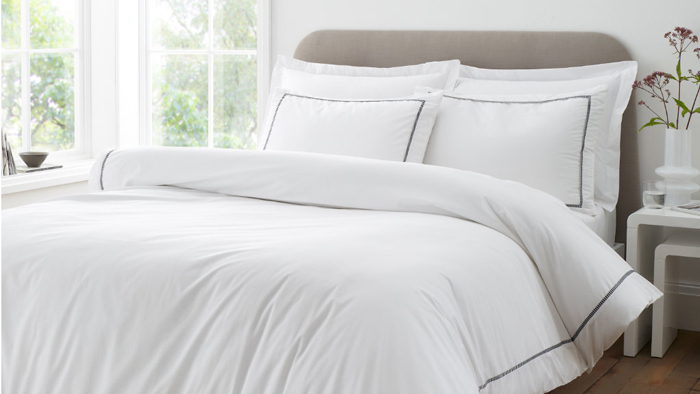
Rethinking “Luxury” Bedding for Real UK Bedrooms
Luxury bedding in the UK often gets reduced to one thing: thread count. You see a huge number on the label and it sounds impressive, so it must be better, right? Not always. That big number can be confusing and can even distract from what really matters.
What counts most is how your bedding feels when you slide into bed each night. Is it soft, breathable, and comforting? Does it suit your bedroom temperature and your sleeping habits? That is what real luxury is about, not just a figure on a packet.
As a friendly, family-run retailer, we spend a lot of time talking to people about their beds, their homes, and their favourite designer brands like Orla Kiely, Sophie Allport, and Morris & Co. We know it can be hard to cut through the myths, especially as the nights draw in and you start thinking about cosier bedding for autumn. So let us gently untangle thread count and help you focus on what really makes a bed feel special.
The Thread Count Obsession: What It Really Means
Thread count is simply the number of threads woven into one square inch of fabric. It includes threads running lengthways and widthways. That is it. On its own, it does not tell you how comfortable or breathable the fabric will be.
For most people, a well-made cotton in the 200 to 400 thread count range feels soft, smooth, and breathable. This is often the sweet spot, especially in the UK where bedrooms can be cool in the evening but a bit stuffy by morning. Higher than this can feel lovely, but only if the cotton and weave are good quality.
Marketing can make ultra-high numbers sound like the only way to get luxury. In reality, very high thread counts can mean:
- Thicker, heavier fabric that feels hot
- Less airflow around your body
- A stiff or almost waxy feel at first
- Slower drying times after washing
When you are reading labels, it helps to look beyond the number and ask:
- What is the fabric (for example, 100% cotton, cotton blend)?
- Is it percale or sateen?
- Does it say long-staple cotton, Egyptian, or Pima?
- Is the set suitable for all seasons or better for cooler or warmer rooms?
In our changeable UK climate, breathability matters a lot. You want bedding that can handle cooler September nights and mild spells without leaving you either shivering or sweaty.
Fabric First: Cotton, Sateen, Percale and Beyond
If thread count is the headline, fabric is the full story. The type of cotton, the weave, and even the finishing decide how your bedding will feel and behave in daily life.
Cotton is the most common choice for luxury bedding in the UK, and for good reason. It is soft, breathable, and easy to care for. Egyptian and Pima cottons are known for longer fibres, which can feel smoother and last well when they are woven and finished carefully. Cotton blends can add strength or a slightly lighter feel, which some people like for quick drying.
The two weaves you will see most are:
- Percale: A simple, tightly woven fabric that feels cool, crisp, and matte. It is great if you get warm at night or like that fresh, hotel-sheet feeling.
- Sateen: A weave with more threads on the surface, giving a smoother, silkier touch and a gentle sheen. It can feel a little warmer, which suits cooler bedrooms and autumn or winter nights.
As we move from light summer bedding into early autumn, many people prefer:
- Percale sheets for breathability, especially if you are a hot sleeper
- Sateen duvet covers for a slightly cosier, smoother top layer
- Layered throws and cushions from brands like Scion Living or Sara Miller for extra warmth and colour
The big point here is that fabric quality, weave, and finishing usually matter more than chasing a certain thread count. When you match the fabric to how you sleep and how your home feels through the seasons, your bed becomes far more comfortable.
How Quality Shows: Feel, Finish and Longevity
You do not need special training to spot good bedding. A few simple checks at home can tell you a lot.
First, trust your hands. Quality sheets and duvet covers:
- Feel smooth or gently crisp, not scratchy
- Drape nicely over the bed instead of feeling stiff
- Do not feel plasticky or overly shiny
Then look closely at the details:
- Are the seams straight and tidy?
- Are buttonholes neat, with no loose threads?
- Are there covered buttons or secure zip closures on duvet covers?
- Do pillowcases have a decent flap or an envelope closure that keeps the pillow in place?
Over time, good bedding should soften with each wash without going thin or bobbly. Colours should stay true, and patterns on designer ranges from names like Sophie Allport and Wrendale Designs should remain clear and bright.
It can help to think in terms of how often you will use each set. A well-made duvet cover that you wash and use week after week is likely to earn its place far more than a cheaper set that feels rough or loses shape quickly. Strong seams, covered buttons, and fitted sheets that actually stay on the mattress can make life easier, especially for busy families changing beds regularly.
Matching Bedding to Your Sleep Style and Home
Everyone sleeps differently, and that should guide your bedding choices far more than a number on the label.
If you tend to get hot in bed, you might like:
- Percale cotton, which feels cooler and crisper
- Lower to mid-range thread counts with more airflow
- Lightweight duvets paired with breathable sheets
If you often feel cold, you may prefer:
- Sateen weaves for a slightly warmer, smoother touch
- A mid-range thread count that feels a bit denser
- Layering with quilted bedspreads, throws, and cushions from collections like Morris & Co or Matthew Williamson
For sensitive skin:
- 100% cotton or linen with a smooth finish
- Minimal embellishments on the parts that touch your skin
- Quality dyes, so patterns stay soft to the touch
Families and children’s rooms usually need bedding that is easy to wash, dries reasonably quickly, and still feels special. Fun prints and coordinated cushions from brands like Orla Kiely or Ulster Weavers can help make bedtime something children look forward to.
One helpful idea is to build a small bedding wardrobe. Instead of lots of sets you barely use, try:
- 2 or 3 good-quality everyday sets
- 1 extra-cosy set for cold spells
- A couple of throws and cushions that work across all sets
Mixing and matching colours and patterns means you can refresh the look of your room through the year without filling the airing cupboard to bursting.
Confidently Choosing Truly Luxurious Bedding
The biggest mindset shift with luxury bedding in the UK is simple. Thread count has its place, but it should not be the only thing you look at. Put fabric, weave, feel, and long-term performance first, then use thread count as a supporting detail.
Take your time. Feel different fabrics, notice how percale and sateen differ, think about how warm or cool your bedroom is, and how your bedding will sit with your existing duvets, cushions, and throws. Designer sets from brands like Orla Kiely, Sophie Allport, Morris & Co, and others can bring pattern and personality as well as comfort, so it is worth choosing pieces you will enjoy seeing every evening and morning.
At Fab Furnishings, we are a family-run team that loves talking about all things bedding and home. We want you to feel confident choosing pieces that make your bedroom calmer, cosier, and more welcoming for many nights to come.
Transform Your Bedroom With Tailored Luxury Comfort
Discover how our carefully curated range of luxury bedding in the UK can elevate your sleep and refresh your bedroom in moments. At Fab Furnishings, we select each piece for its quality, comfort and timeless style, so you can create a space that truly feels like a retreat. If you would like personal guidance or have any questions about sizes, fabrics or styling, simply contact us and we will be happy to help.