
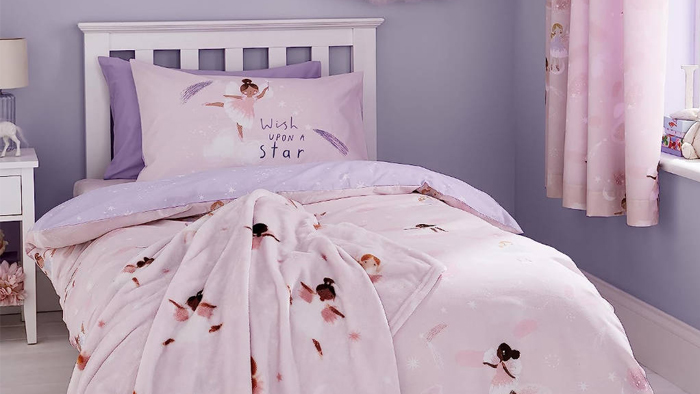
Safer, Softer Sleep for Growing Little Ones
Choosing kids’ bedding in the UK can feel surprisingly stressful. One person says you need the thickest duvet, someone else says no duvet at all, and the internet is full of strong opinions. When you are tired and just want everyone to sleep, it is a lot.
We want to make it simpler. In this guide, we will gently question a few common myths around safety and comfort, and share calm, practical tips that fit real UK homes and real British weather. We will look at safe bedding basics, how to keep little ones cosy through changing seasons, and how to balance fun designs with sensible choices that help them actually sleep.
At Fab Furnishings, we are a friendly, family-run retailer, so we hear many of the same worries from parents and carers every day. Our aim is to pass on that everyday experience so you can feel more confident about what goes on your child’s bed, without any guilt or overwhelm.
Busting Common Safety Myths About Kids’ Bedding
One of the biggest areas of confusion is age. Safe sleep advice for babies under one is very different from what works for toddlers and older children.
For babies under one, safe sleep guidance usually focuses on:
- A clear, flat sleep surface
- No loose bedding, pillows or quilts
- Appropriate clothing, like a baby sleep bag or layers of sleepwear
Once children are toddlers and can move around the bed by themselves, light duvets and pillows can be introduced more safely. Their bodies can regulate heat better, and they can push off covers if they get too warm. This is why advice changes as they grow.
A few common myths are worth challenging:
- “The thicker the duvet, the better”
Very thick duvets can trap too much heat. Kids often sleep better with a moderate tog and breathable fabrics. - “Lots of pillows are more comfortable”
Extra pillows can push the head at an awkward angle and feel stuffy. For most children, one supportive pillow is plenty.
In the UK, it also helps to think about safety labels and fabric choice.
- Fire safety labels on duvets and pillows
- Breathable fabrics for covers, like cotton
- Well-fitting sheets that stay in place instead of loose fabric that can bunch up
As a rough guide, many families find:
- Babies under one usually stay in sleeping bags or layered sleepwear
- Toddlers often move to a light duvet once they can move well in bed
- Lower tog duvets are better for younger children, as they warm up quickly
To check if a child is too hot or cold, feel the back of their neck or chest. If it is sweaty or very hot, they may need a lighter tog or fewer layers. If their hands and feet are cool but their core feels warm, that is usually fine.
Finding the Right Comfort Level Through UK Seasons
British weather likes to keep us on our toes. One week the nights feel muggy, the next it is a chilly, misty morning. Kids feel these changes too, sometimes more than adults.
Tog ratings can sound confusing, but for kids’ bedding in the UK it helps to think simply. A lower number means a lighter, cooler duvet, and a higher number means warmer and heavier.
Many families use:
- A lighter tog for warmer months
- A medium tog for most of the year
- Layering with blankets in colder snaps rather than jumping straight to the highest tog
Layering is your friend. Instead of one very thick duvet, try:
- A breathable cotton duvet cover
- A lightweight blanket or throw at the foot of the bed
- Pyjamas that match the season
Layers can be added or kicked off easily in the night, which suits our changeable weather.
Fabric and filling also affect temperature. Natural fibres like cotton help with:
- Breathability
- Wicking away moisture from night sweats
- Feeling soft on the skin
Well-chosen synthetic fills can be helpful for families dealing with allergies and can be easier to wash and dry on a normal UK laundry routine, especially when drying space is limited.
Fabrics, Fillings, and Finishes Kids Actually Sleep In
How bedding feels on the skin matters just as much as how it looks. Some common fabrics you will see are:
- Cotton: smooth, breathable, gentle on most skin types
- Brushed cotton: a little fuzzier and warmer, lovely for chilly nights
- Polycotton: a cotton and polyester mix that is usually easy to care for and quicker to dry
- Bamboo blend: often very soft and cool to the touch, with a silky feel
Inside duvets and pillows, you will find natural or synthetic fillings. Both can be cosy if chosen well.
Natural fillings often feel:
- Airy and breathable
- A bit heavier in weight, which some children find comforting
Synthetic fillings can:
- Be lighter and springy
- Wash and dry more easily, useful for spills and night-time accidents
Finishing touches matter too.
- Secure stitching so fillings do not clump
- Soft seams inside covers that will not rub on skin
- Easy care labels that fit your normal washing habits
At Fab Furnishings, we love that brands like Orla Kiely, Sophie Allport, Scion Living and Wrendale Designs bring playful prints together with good quality fabrics. It means you can choose fun patterns without giving up comfort or practicality.
Balancing Fun Designs with Calm, Restful Bedrooms
Bedding is often the biggest block of colour in a child’s bedroom, so it sets the mood of the whole space. Bright colours and bold prints feel joyful, but if everything is loud, the room can feel busy at bedtime.
A helpful approach is:
- Use a characterful duvet cover and pillowcase as the star
- Keep fitted sheets and extra pillowcases more simple
- Choose curtains and cushions that pick out one or two colours from the main print
For younger children, animal prints, storybook themes and friendly characters can make bedtime feel inviting. As they grow, tweens and teens may prefer something more grown-up. Patterns from brands like Morris & Co, Sara Miller and Matthew Williamson can bring a stylish, more mature feel without losing personality.
Practical touches can also keep the room feeling fresh:
- Reversible bedding gives two looks in one set
- Mixing and matching pillowcases and throws lets you refresh the style without changing everything
- Choosing patterns that are fun but not too babyish helps them still feel “cool” a year later
Simple Care Habits for Fresh, Long-Lasting Kids’ Bedding
Even with the nicest bedding, sleep feels less cosy if everything smells musty or looks tired. A simple care routine makes a big difference.
General habits that help include:
- Washing pillowcases and sheets regularly
- Changing duvet covers on a steady routine
- Dealing with spills and night-time accidents as soon as you can
Always check the care labels, as they show:
- The right temperature for washing
- Whether an item is suitable for the tumble dryer
- If you need a gentle cycle
Gentle detergents are usually kinder on sensitive skin. Make sure bedding is fully dry before putting it back on the bed, especially in damper UK climates, to keep it fresh and comfortable.
Pillows and duvets do not last forever. If a pillow stays flat or lumpy after fluffing, or a duvet feels thin in patches, it might be time to replace it. Quality pieces tend to last longer when they are washed and dried properly, so a bit of extra care can pay off.
Many parents find a small “spares” kit helpful. A box with:
- An extra fitted sheet
- A spare pillowcase
- A backup duvet cover
means night-time changes are quicker and less stressful, especially for younger children still getting used to dry nights.
Confident Next Steps for Cosy, Safe Kids’ Bedrooms
Safety for children’s bedding is less about piles of thick covers and more about choosing age-appropriate, breathable pieces that fit well. Comfort comes from sensible tog ratings, the right layers through the British seasons, and fabrics that feel good on young skin.
It can be useful to take a quiet moment to look at your child’s current bedding. Check the tog rating, how many layers are on the bed, and what fabrics you are using. Ask yourself if they often wake too hot or too cold, and whether a lighter duvet, an extra blanket, or a change of material might help.
At Fab Furnishings, our family-run team enjoys helping other families pull together kids’ bedding that is both playful and practical. With thoughtful choices and small tweaks over time, you can create a bedroom that feels calm at night, cheerful in the day, and most importantly, comfortable for your growing little one to sleep in.
Create A Cosy Bedroom Your Child Will Love
Explore our curated collection of kids’ bedding in the UK and find designs that match your child’s personality as well as your budget. At Fab Furnishings, we carefully select quality fabrics and playful prints to help you create a space that feels safe, stylish and easy to maintain. If you are unsure where to start or need a little guidance with sizes or themes, simply contact us and we will be happy to help you choose.